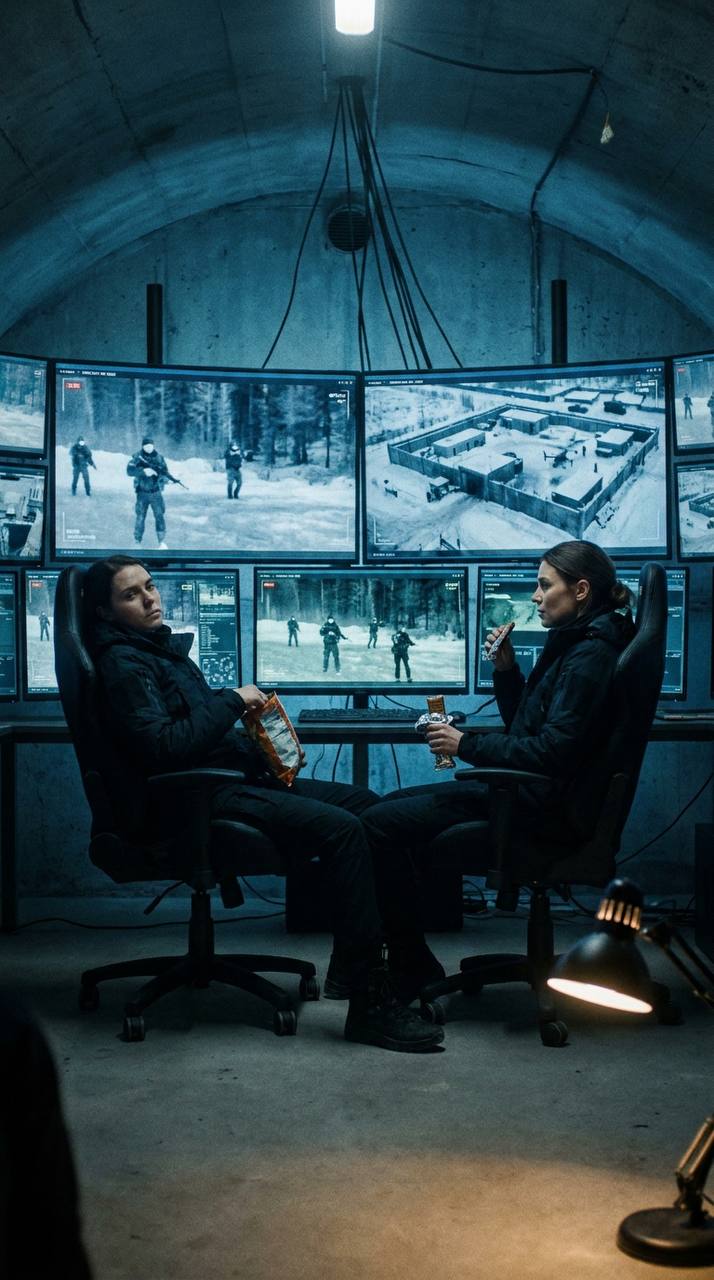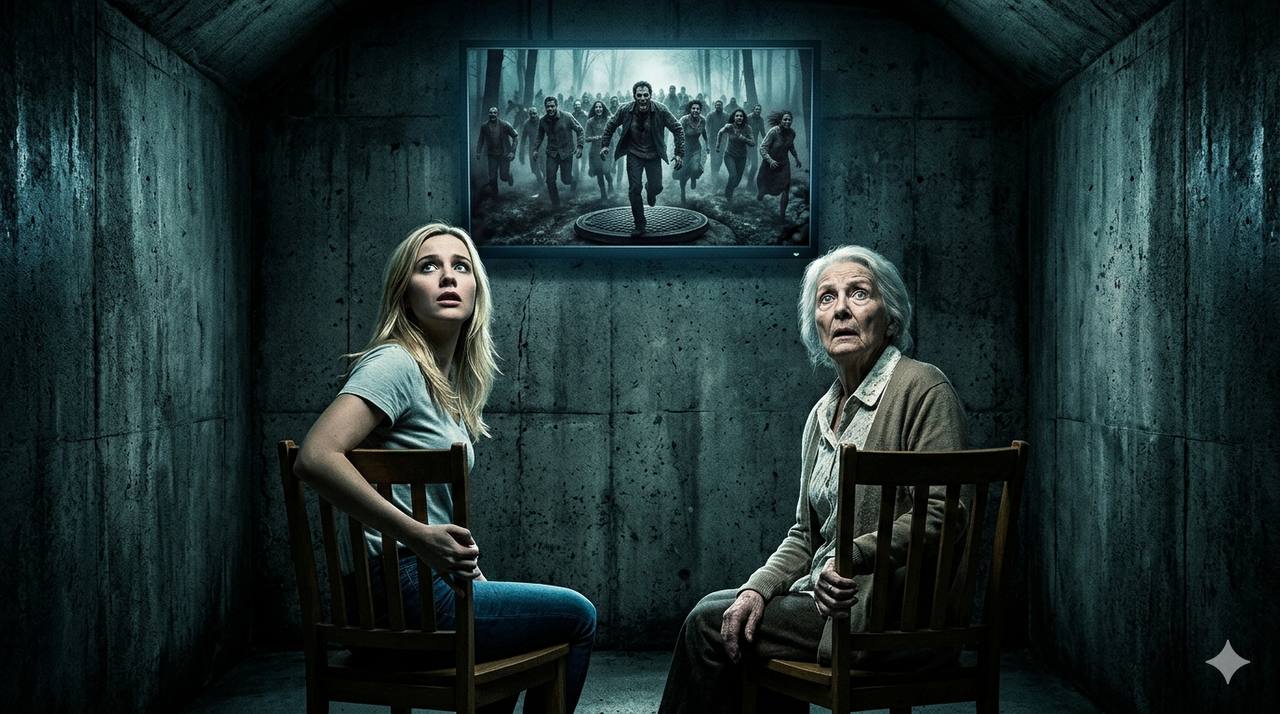
On the night of October 27, 2018, a persistent, cold rain fell over Cedar Creek, a sparsely populated valley in the Pacific Northwest. Arthur Miller, a software engineer, and his wife, Sarah, a freelance graphic designer, had just put their eight-year-old daughter, Lily, to bed in their custom-built, two-story home. The house, a modern structure of glass and dark timber, sat atop a gentle rise, offering panoramic views of the surrounding evergreen forest. At approximately 11:34 PM, a distinct, metallic crunch echoed from the gravel driveway, a sound too heavy to be wildlife, too precise to be a branch. Arthur, having been engrossed in a late-night coding session, paused. Sarah, reading in the adjacent living room, looked up. This was the first indication that the night would not proceed as planned, that the isolated tranquility of their home was about to be irrevocably breached by an unseen, methodically moving presence.
The Unseen Presence
The initial crunch was followed by a period of profound quiet, broken only by the drumming of rain against the large living room windows. Arthur moved to the front door, peering through the small, frosted pane. He saw nothing but the distorted gleam of wet asphalt. Sarah, her hand already reaching for her phone, whispered, “Who could that be?” Before she could dial, a faint, rhythmic scraping began from the side of the house, near the garage entrance. It was a precise, almost surgical sound, like metal being worked on metal, but without the harshness of a forced entry. It spoke of deliberation, not brute force. Arthur’s mind, accustomed to logical problem-solving, registered the immediate threat. He grabbed Sarah’s arm and silently directed her towards the kitchen, where a reinforced pantry served as a makeshift safe room, a feature they had installed during construction for peace of mind in their remote location. Lily, roused by the hushed movements, emerged from her bedroom, her small face clouded with sleep. Sarah scooped her up, pressing a finger to her lips, conveying an urgency that the child, despite her age, seemed to grasp instantly.
Below Ground
The pantry, a six-by-eight-foot space, was designed to be secure. Its walls were reinforced with steel plating, and the heavy, custom-fitted door locked from the inside with a series of deadbolts. There was no window. A small vent provided limited air circulation, and an emergency kit contained bottled water, a flashlight, and a battery-powered radio. Once inside, the silence of their confinement was absolute, save for their own strained breathing. Lily, nestled against Sarah, whimpered once, a sound quickly stifled by her mother’s hand. Arthur held his breath, straining to discern any sound from above them. After several agonizing minutes, the scraping sound resumed, closer now, directly overhead. It was not a violent, destructive noise, but a series of precise, investigative movements. It sounded as if someone were systematically checking every inch of their home, not for valuables, but for something else entirely. The air in the pantry grew thick with fear, a palpable presence that pressed in on them more intensely than the steel walls. Arthur activated the flashlight, setting it on a low beam to conserve power, illuminating their pale faces.
The radio, when Arthur finally switched it on, crackled with static. He carefully tuned the dial, hoping for a local news report, a police dispatch, anything that might contextualize their predicament. He found only a late-night talk show from a distant city. The mundane voices provided a surreal counterpoint to the silent terror unfolding above. Sarah clutched Lily tighter, her eyes darting between her husband and the locked door, as if expecting it to yield at any moment. The psychological pressure of waiting, of knowing an unknown entity was systematically exploring their personal space, was profound. The sounds from the main floor continued intermittently—a soft thud, a creak of floorboards, the distant echo of a cupboard door closing. Each sound was a stiletto-sharp jab, a reminder of their vulnerability, their complete lack of control.
The Breach and the Wait
Around 1:00 AM, the character of the sounds from above shifted. The methodical exploration gave way to a more invasive, though still controlled, dismantling. They heard the distinct tearing of fabric, the splintering of wood that was not a violent break but a deliberate separation. It sounded as if furniture was being carefully taken apart, not smashed. Then, a low, persistent hum started, vibrating through the floor above them. It was a mechanical sound, alien and unsettling, unlike anything they had ever heard in their home. It pulsed, a low thrum that burrowed into their bones. Arthur theorized it might be some kind of scanning device, or perhaps a tool for precise demolition. The absence of human voices was the most unnerving aspect. There were no shouts, no commands, no discernible communication among the intruders. Only the sounds of their meticulous, silent work.
The hours crawled by. The Miller family huddled together, their initial shock giving way to a bone-deep weariness. Lily, exhausted by fear, had fallen into a fitful sleep in Sarah’s arms, her small body occasionally twitching. Arthur and Sarah remained awake, their senses heightened, their minds racing through improbable scenarios. They considered attempting to call for help, but the reception in the reinforced pantry was nonexistent, and even if it weren’t, the act of speaking, of betraying their presence, felt like a suicidal risk. The intruders operated with a chilling patience, their movements devoid of haste or panic. It suggested a level of preparation, perhaps even professional training, that elevated the threat beyond a simple home invasion. They were not seeking valuables; they were seeking something else, or someone. The Millers understood, with a dawning horror, that they were being hunted in their own home.
A Test of Silence
At approximately 4:30 AM, the rhythmic hum abruptly ceased. A profound silence descended upon the house, more terrifying than the previous sounds. This was not the natural quiet of an empty home; it was a watchful, predatory silence. Arthur’s breath caught in his throat. Sarah covered Lily’s mouth with her hand, though the child was still asleep. Then, they heard it: a soft, almost imperceptible scuffing sound, directly outside the pantry door. It was followed by a faint scratching, as if something thin and metallic was being run along the gap between the door and the frame. The sound was so close, so intimate, that it felt like an invasion of their very skin. Arthur could feel the vibrations of it through the concrete floor. He imagined an eye, or a sensor, attempting to pierce the steel barrier. He could hear the frantic pounding of his own heart, echoing in his ears, convinced that the sound alone would betray them.
Minutes stretched into an eternity. The scratching stopped. A faint click, then another, emanated from the door. It sounded like the deliberate manipulation of the lock mechanism, but the custom deadbolts were designed to withstand such attempts. The Millers remained utterly still, their muscles rigid, their lungs aching for air they dared not take too deeply. Lily stirred, a small cough threatening to escape her lips. Sarah pressed her hand more firmly, tears silently streaming down her face. Arthur closed his eyes, visualizing every detail of the door, every reinforcement, praying it would hold. The pressure on the family was immense, a silent battle of wills against an unseen force. The only weapon they possessed was their quiet, their collective refusal to acknowledge the terror on the other side. This moment, more than any other, tested the absolute limits of their self-control.
The Fading Hope
Eventually, the faint noises at the door ceased. The silence returned, heavy and oppressive. The sun began its slow ascent, casting a pale, grey light through the cracks in the pantry door. The Millers remained in their huddle, unsure if the threat had passed, or merely retreated to observe. The air in the pantry grew stale, their muscles stiff from hours of unnatural stillness. They had no way of knowing if the intruders had left the property, or if they were still present, waiting, watching. The emergency radio remained silent, a testament to their isolation. The experience had stripped them of their sense of security, replacing it with a primal, lingering fear.
Around 8:00 AM, Arthur cautiously placed his ear against the steel door. He heard nothing. No hum, no scraping, no footsteps. He waited another hour, then slowly, painstakingly, released the deadbolts. The heavy door swung inward, revealing a scene of quiet devastation. Their home, though not ransacked in the conventional sense, had been systematically altered. Furniture was disassembled, wires meticulously cut, and strange, almost imperceptible residues coated surfaces in the living room. There were no obvious signs of what the intruders were looking for, or if they found it. No message, no fingerprints, no discarded tools. The rain had stopped, and the morning light filtered through the forest, illuminating the altered interior of their sanctuary. The Miller family emerged, blinking into the unfamiliar silence of their violated home, the precise nature of the terror that had visited them remaining an unsettling, enduring mystery.
Notes & sources
- · Story is fictional. Names, locations, and events are invented.
This story is a dramatized retelling. Some details, names, and locations have been changed or invented for narrative purposes.