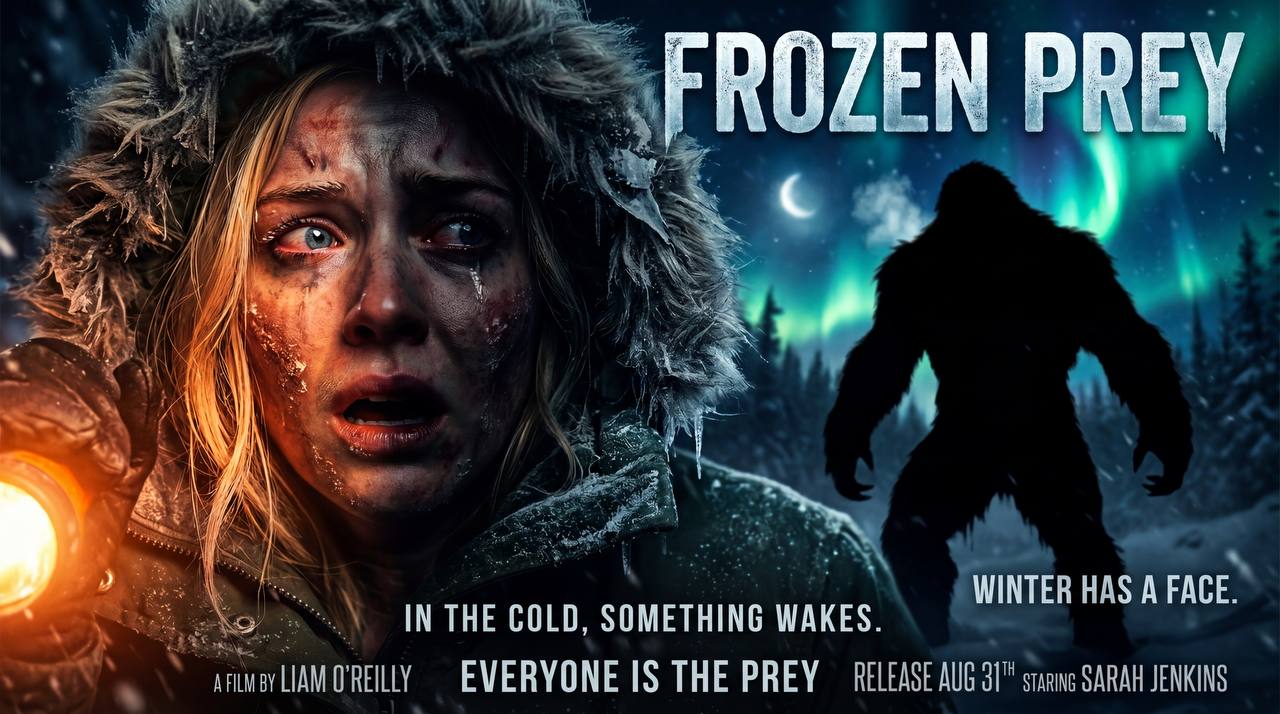
On January 17, 2018, Elara Vance stood on the small porch of her cabin, a structure of rough-hewn pine and corrugated steel situated eighteen miles north of the nearest settlement, Solstice, Alaska. The air, at minus twenty-eight degrees Fahrenheit, carried a metallic tang that bit at exposed skin. Above her, the aurora borealis pulsed across the heavens, a silent, emerald curtain unfurling over the vast, snow-laden expanse of Oakhaven Lake. Elara, a freelance cartographer, had sought this extreme isolation for its quietude and stark beauty, a sanctuary from the pervasive hum of modern life. Her breath plumed in the frigid air as she absorbed the spectacle, the only sound the faint creak of the cabin settling in the cold. Then, a distinct, heavy crunch of snow registered behind her, a sound too deliberate to be the wind, too rhythmic to be the shifting ice of the lake. It was the sound of a footstep.
The Uninvited Presence
Elara froze, the celestial display momentarily forgotten. She was alone at Oakhaven Lake. The nearest neighbor, old Silas Thorne, lived twelve miles down the icy logging road, and he hadn’t left his property in weeks, not since the last supply drop by bush plane. She had checked her perimeter earlier that afternoon, a routine born of necessity in the Alaskan wilderness. There were no tracks apart from her own snowshoe prints leading to the woodpile and back. The sound came again, closer this time, a slow, methodical crunch, crunch, crunch. It was directly behind the cabin, approaching the side nearest the frozen lake. Elara slowly turned, her hand instinctively reaching for the heavy iron latch of the cabin door, her eyes scanning the dark, tree-lined edge of her property. Nothing was visible in the dim ambient light of the aurora, only the stark silhouettes of spruce and fir.
She considered the possibilities: a large animal, perhaps a moose or a bear roused from a strange half-hibernation. But the cadence was wrong for an animal. It was too even, too heavy. The footsteps paused. A profound silence descended, broken only by the distant, almost imperceptible groan of the lake ice shifting under the immense cold. Elara’s heart began to thud against her ribs, a frantic drum in the otherwise still night. She took one step back, then another, easing herself through the cabin door. The moment she was inside, she slammed the heavy timber shut, the sound echoing in the small space. The latch clanged home with a decisive click, a meager barrier against the unknown.
A Night of Siege
Inside, the cabin felt both a refuge and a trap. Elara moved through the single main room, her movements quick and quiet. She peered through the small, double-paned window facing the lake. The aurora still painted the sky, but her attention was fixed on the ground below. There, emerging from the shadows of the spruce line, were tracks. Large, deep impressions in the virgin snow, leading directly towards the cabin. They were too large for human boots, yet too distinct for any known animal. Each print was roughly oval, lacking the clear claw marks of a bear or the splayed toes of a moose. The snow around them was disturbed, as if the weight pressing down was immense. The tracks ended abruptly twenty feet from the cabin wall, as if the entity had simply ceased to move or had faded into the air. But as she watched, a faint vibration ran through the cabin floor, a low thrum that suggested something vast and heavy had settled nearby. The silence outside was no longer peaceful; it was oppressive, pregnant with unseen presence.
Elara grabbed her satellite phone. The signal was often spotty, but it was her only link to the outside world. She tried to call Silas Thorne, then the Solstice Sheriff’s Department. Both calls failed, the signal indicator on the phone stubbornly displaying
Notes & sources
- · Story is fictional. Names, locations, and events are invented.
This story is a dramatized retelling. Some details, names, and locations have been changed or invented for narrative purposes.