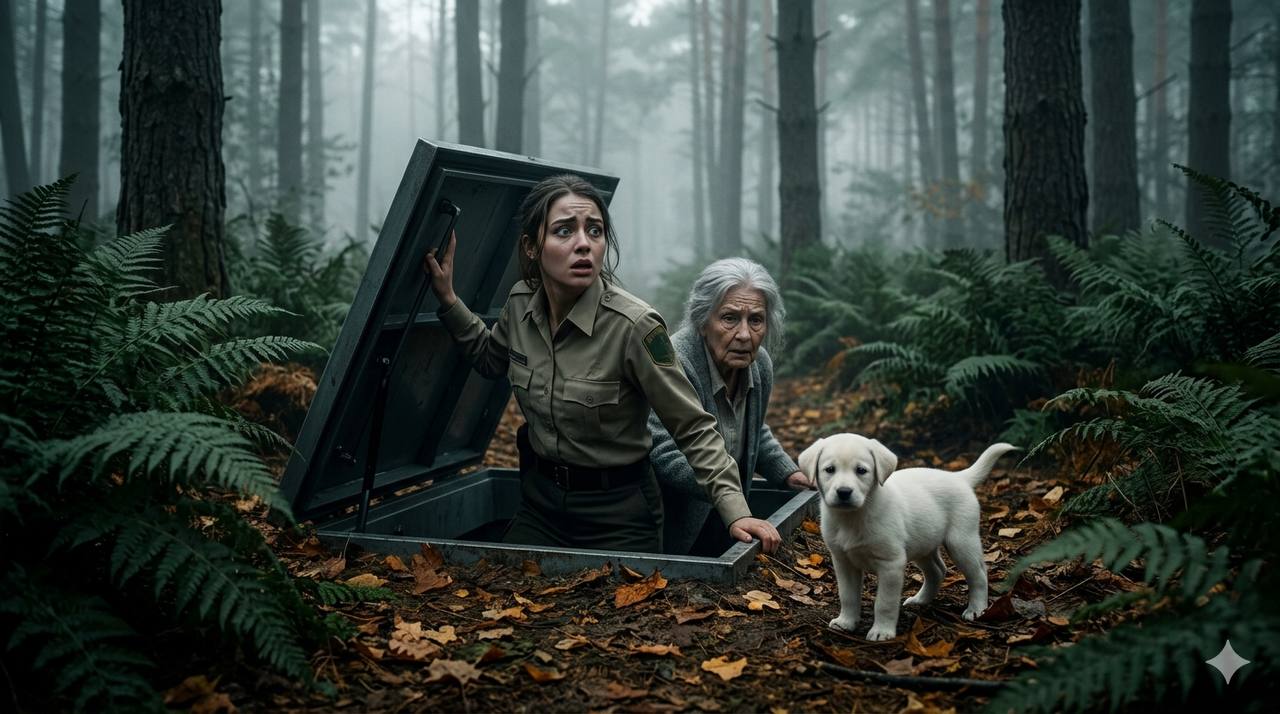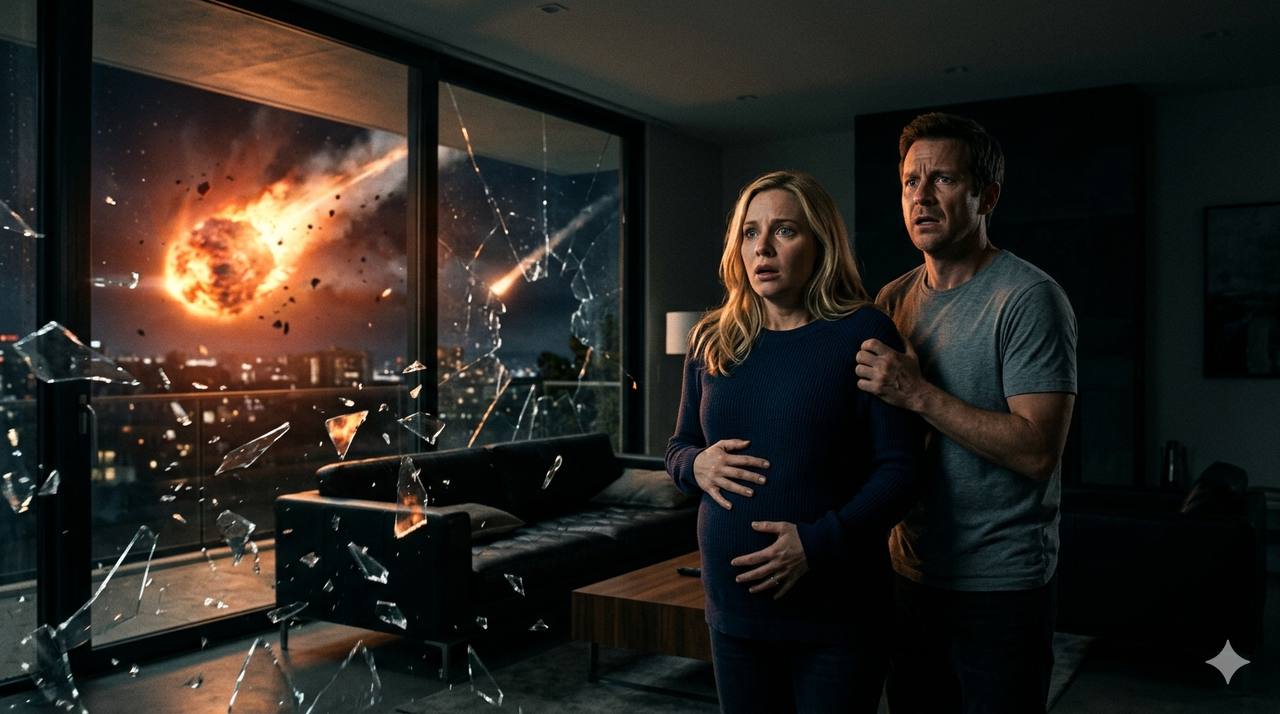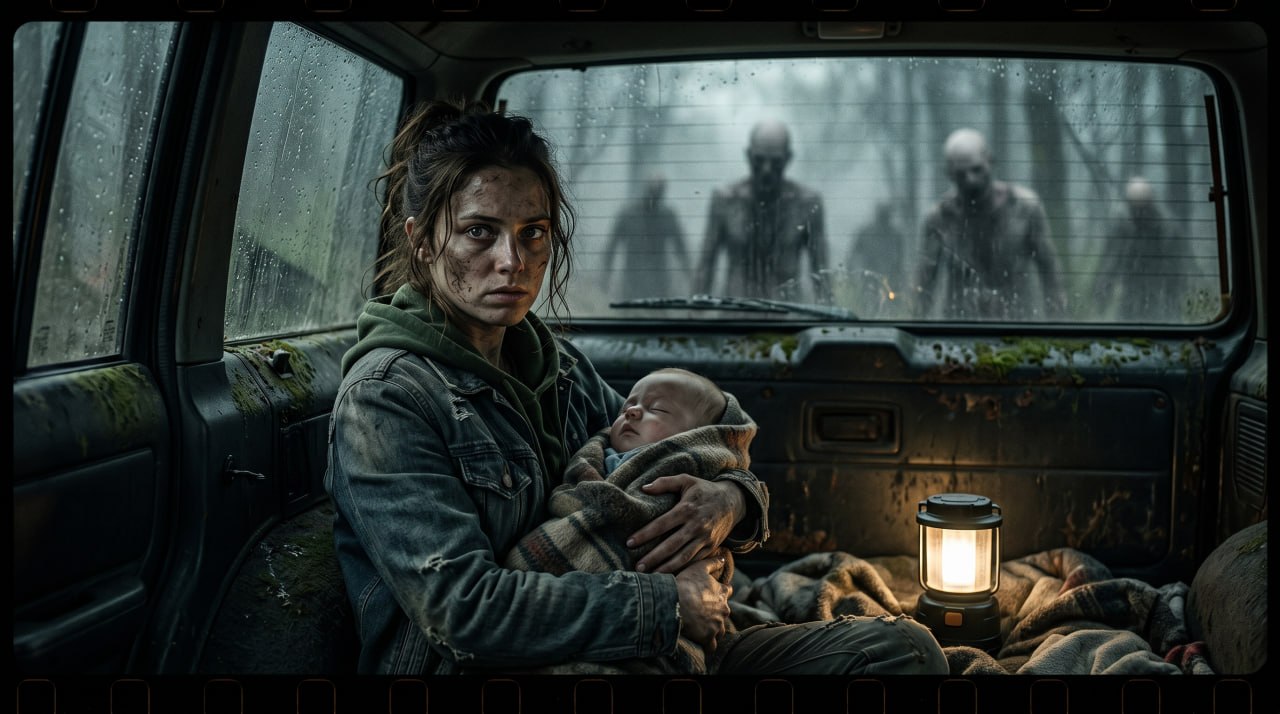
On the afternoon of October 27, 2003, Elias Vance and Lena Petrov, both in their late twenties, carried their six-month-old daughter, Elara, through the dense, fog-shrouded wilderness of the Blackwood Forest. A relentless military manhunt had pushed them deep into the secluded woods bordering the abandoned Oakhaven Sector, their only hope for escape lying in a rumored, forgotten subterranean bunker. The air was thick with the scent of pine and damp earth, punctuated by the distant, muffled thrum of rotor blades that had plagued their movements for days. Their faces, gaunt with exhaustion and fear, were barely visible through the swirling mist, but their grip on the small, bundled infant remained firm, a singular focus in their harrowing flight.
The Retreat into the Earth
The journey to the bunker had been a calculated risk, born of desperation. Intelligence gathered from a network of sympathetic contacts indicated that the Oakhaven Sector, long since declared a restricted zone after a series of unexplained industrial incidents in the late 1980s, harbored a number of clandestine installations. Among them was Bunker Gamma-7, a Cold War-era fallout shelter reportedly built into the natural rock formations beneath the highest ridge of Blackwood Peak. Elias, a former cartographer, had cross-referenced fragmented satellite imagery and declassified geological surveys to pinpoint its likely location. Lena, an engineer, had provided the necessary expertise for bypassing its assumed security measures.
Their progress was slow, arduous. The forest floor was a treacherous carpet of decaying leaves and exposed roots, obscured by a fog that seemed to cling more densely the higher they climbed. Elara, mercifully, slept through much of it, a small, warm weight against Lena’s chest. The sounds of their pursuers – the occasional crackle of distant radio chatter, the faint whisper of boots on wet ground – served as a constant, low-frequency hum of dread. They moved with a practiced silence, a result of weeks spent evading capture, communicating mostly through glances and small, precise hand gestures. The entrance, when they finally found it, was almost perfectly camouflaged: a heavy, rust-streaked steel door, partially overgrown with moss and ivy, nestled at the base of a jagged rock face. Its mechanism, surprisingly intact, yielded to Lena’s precise touch after an hour of focused effort.
The Sanctuary’s Threshold
Inside, the air was still and cool, carrying the faint metallic tang of old machinery and damp concrete. A narrow, sloping tunnel, barely wide enough for one person to navigate comfortably, led into the dark. Elias went first, his small tactical flashlight cutting a weak beam through the oppressive blackness, revealing rough-hewn rock walls and condensation dripping from the low ceiling. Lena followed, her every sense alert, the baby clutched tightly. The bunker was deeper than they had anticipated, the tunnel winding downwards for what felt like several minutes before opening into a larger, hexagonal chamber. This was the main living area, equipped with rudimentary bunks, a rusted console, and the remains of an emergency food supply that had long since expired.
With the chamber secured, their immediate priority was the entrance. Lena worked quickly, engaging the internal locking mechanisms, the heavy steel door groaning shut with a resonant thud that echoed through the underground space. The sound was final, absolute, severing their connection to the world above. A temporary sense of relief washed over them, quickly followed by the profound silence of their new prison. Elias set up a small, battery-powered lantern, casting a weak, yellow glow that barely pushed back the encroaching shadows. They placed Elara in a makeshift bed fashioned from a salvaged military blanket, watching her sleep soundly, her small chest rising and falling with peaceful regularity. It was only then, as Lena leaned down to adjust the blanket, that the first fissure appeared in their reality.
A Fractured Reality
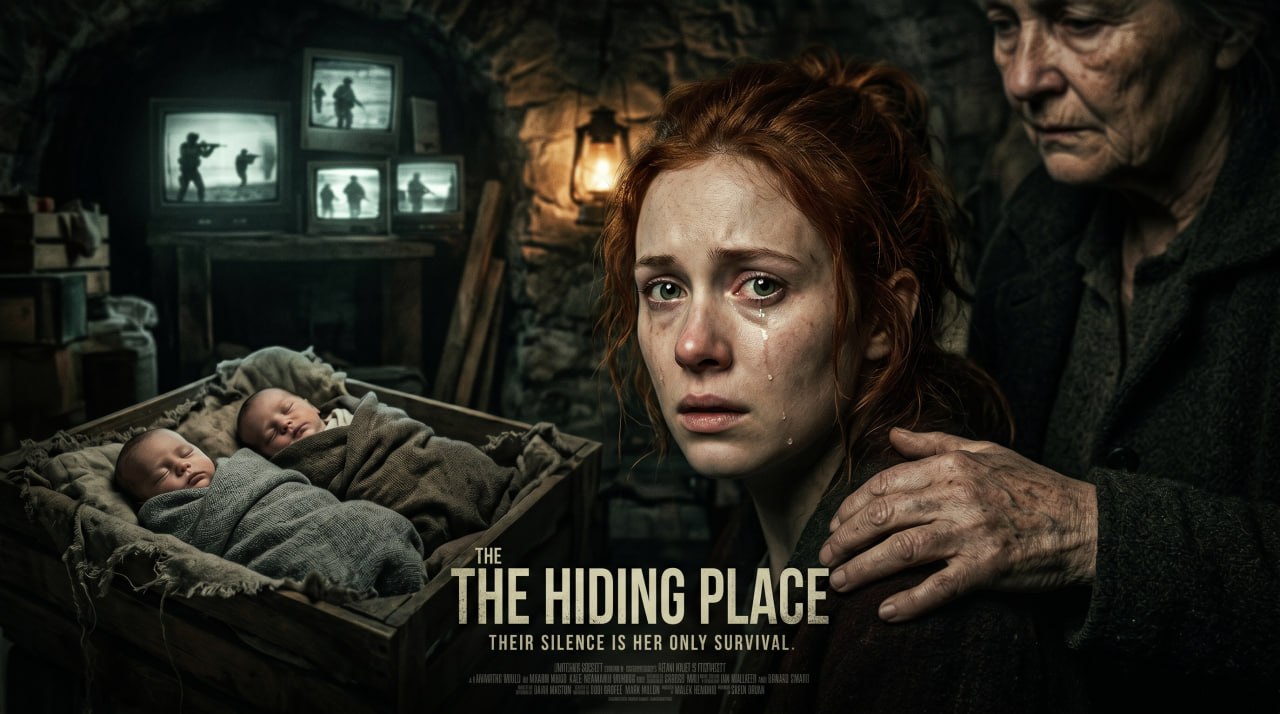
Lena froze, her hand hovering over the sleeping infant. She blinked, then leaned closer, a frown creasing her brow. Elias, observing her from across the small chamber, asked what was wrong. Lena did not answer immediately. Instead, she reached out, her fingers brushing against something soft, warm, and distinctly other. Her hand recoiled slightly. There, nestled beside Elara, was another infant. Identical in every discernible way: the same wisps of dark hair, the same delicate features, the same small, slow breaths. It was as if Elara had been mirrored, or duplicated, in the space of a single, unobserved moment.
Elias moved swiftly, his initial concern giving way to disbelief as he saw it for himself. Two babies. His mind, trained in logic and practical assessment, struggled to process the visual data. He checked the blanket, the small space. There was no hidden compartment, no trick of the light. They had carried one child into the bunker. They had watched that child fall asleep. Now there were two. A quiet, desperate exchange of questions ensued, whispered in the dim light. Had one of them somehow been holding another baby without realizing? An absurd notion. Had they hallucinated the initial count? Equally impossible. They were both exhausted, but not delusional. The second infant was undeniably present, a physical, breathing entity. The profound impossibility of the situation settled upon them, heavier than any fear of the military above ground.
Echoes of the Past
Their initial shock gave way to a chilling sense of dread. The bunker, their supposed sanctuary, had become something else entirely. While Lena tended to the two identical infants, Elias began a more thorough search of the hexagonal chamber and the adjacent narrow corridors. The facility was small, clearly designed for short-term occupation by a handful of personnel. He found a small, locked metal box hidden beneath a loose floor panel. Inside were a few decaying journals, their pages brittle and water-stained, written in a cramped, almost indecipherable hand.
One journal, dated from the late 1980s, spoke of
Notes & sources
- · Story is fictional. Names, locations, and events are invented.
This story is a dramatized retelling. Some details, names, and locations have been changed or invented for narrative purposes.