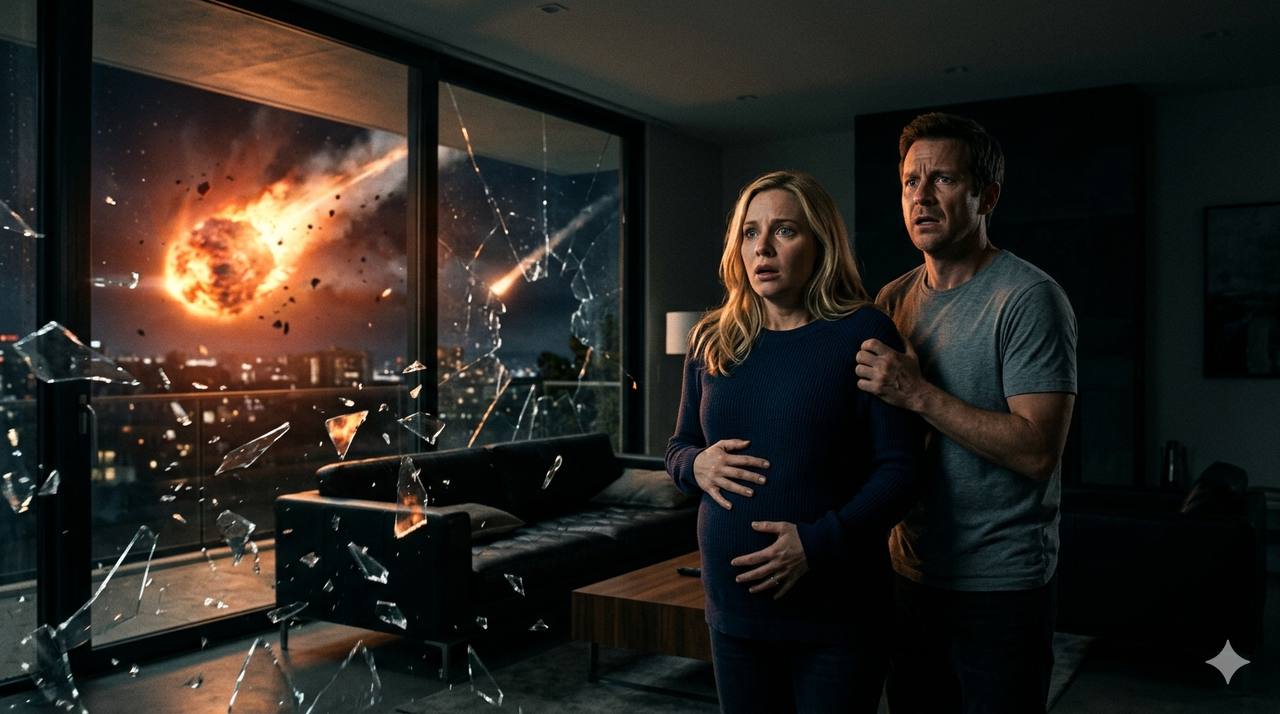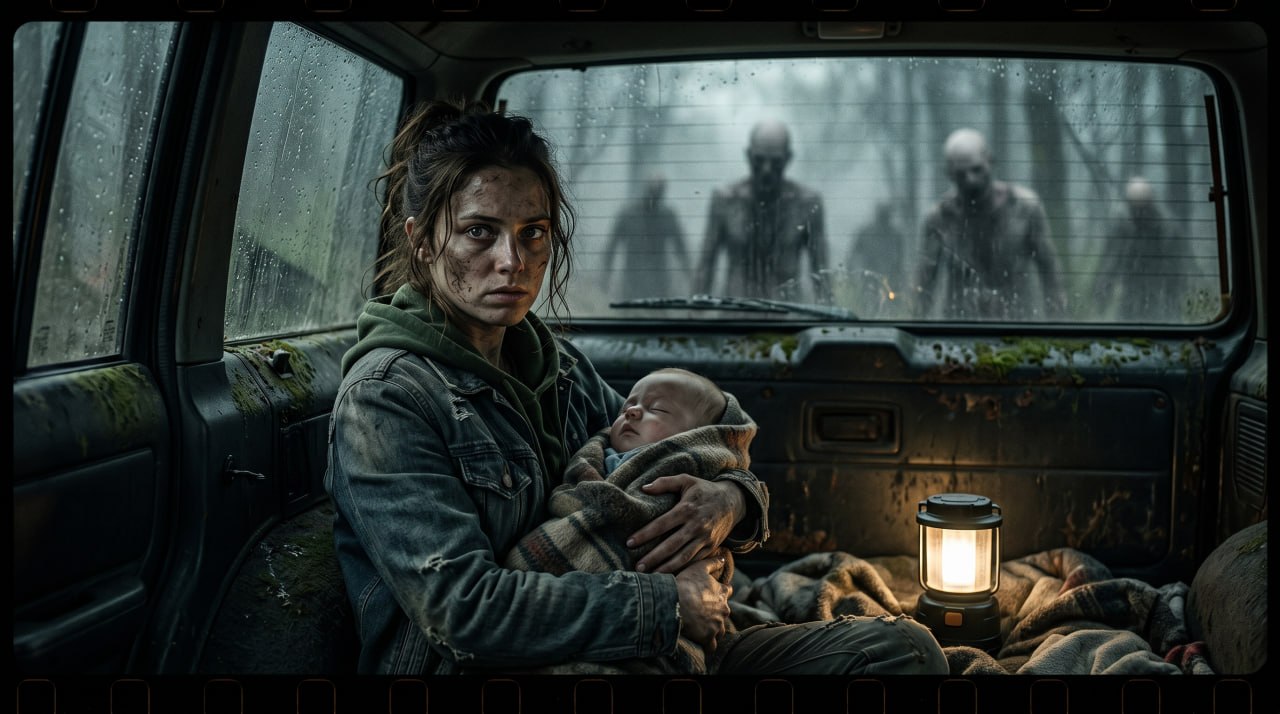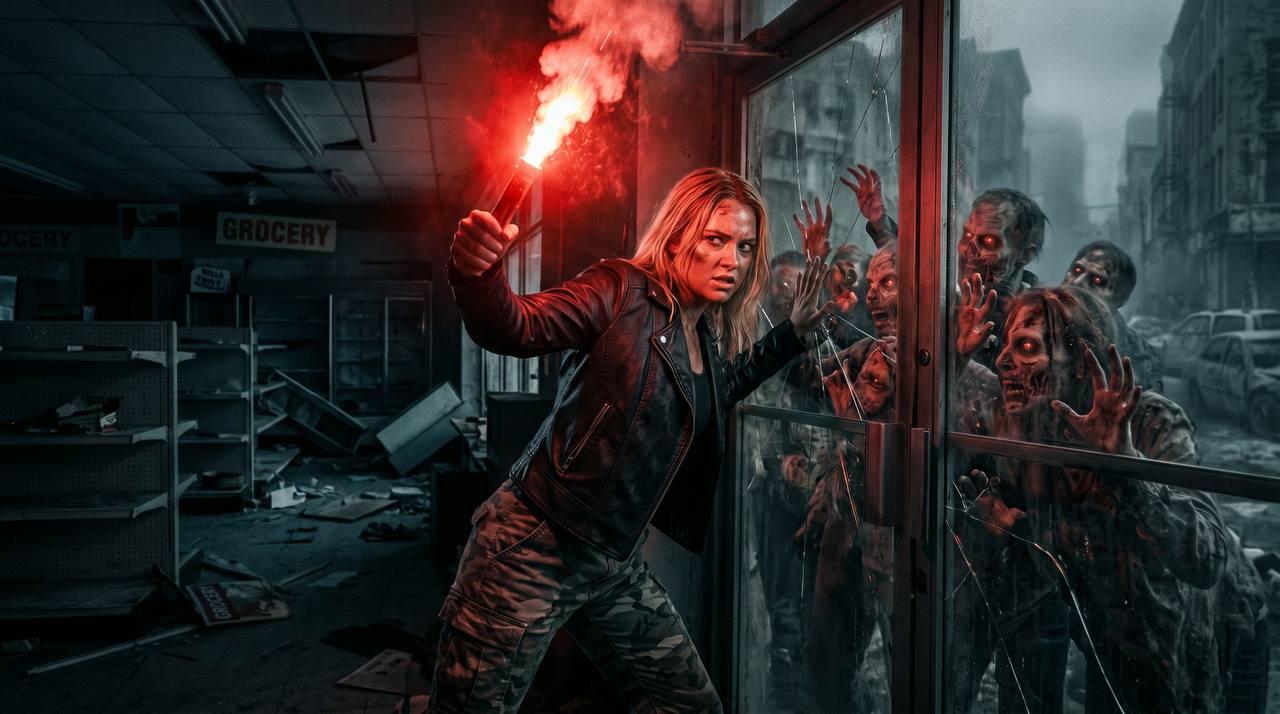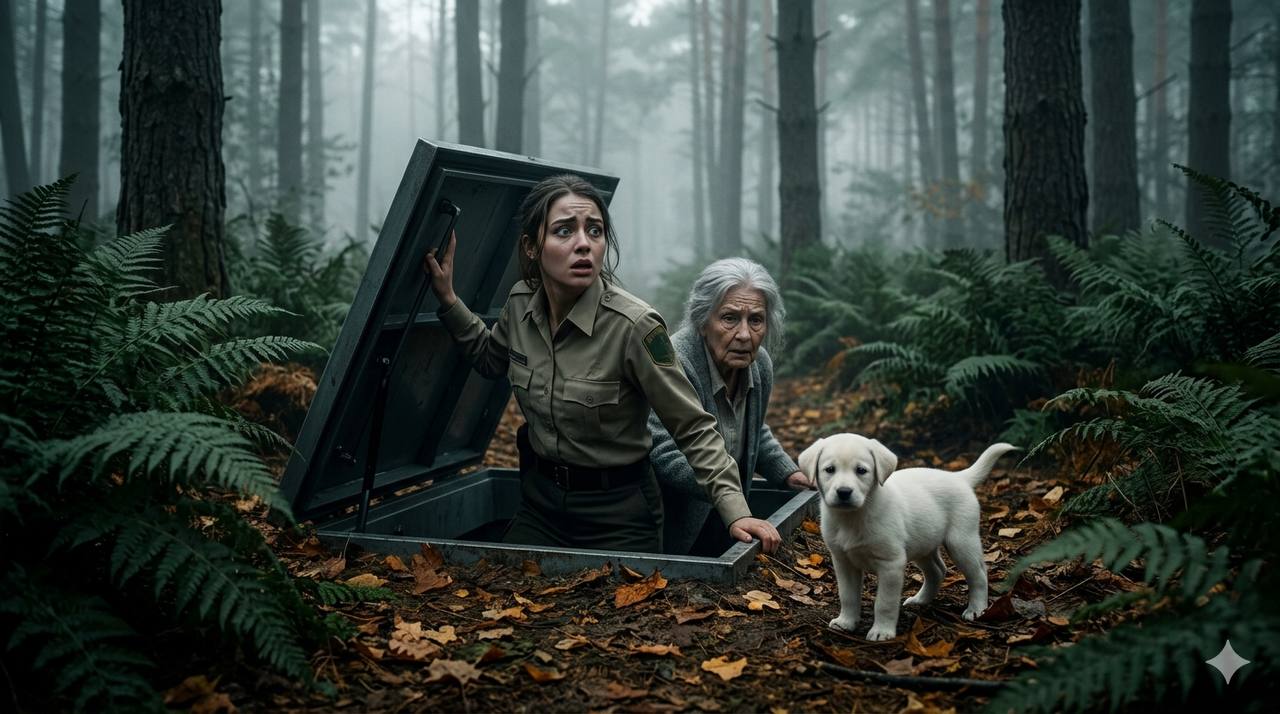
On October 17, at approximately 03:14 local time, Evelyn Reed and her daughter, Maya, managed to seal the reinforced hatch of Bunker Alpha-7, a Cold War-era fallout shelter buried deep within the perpetually fog-shrouded Blackwood Forest, just outside the quiet town of Oakhaven. The air was thick with the metallic tang of fear and the distant, indistinct clamor that had driven them from their home. For a fleeting moment, as the heavy bolts engaged with a satisfying thud, a profound, fragile sense of relief settled over them. They were safe from the outside world, a world that had, in the span of a few horrifying hours, descended into an unrecognizable chaos. This sanctuary, however, would prove to be a more insidious prison, its safety instantly turning to ashes the moment Evelyn’s gaze landed on the empty, discarded oxygen canister by the emergency airlock—a canister that should have been full, and that Maya had been explicitly tasked with retrieving.
The Weight of the Unseen
The interior of Bunker Alpha-7 was Spartan, designed for utility rather than comfort. Concrete walls, a single utilitarian table, two cots, and a small, sealed compartment for emergency rations comprised their new reality. The air recirculator hummed with a monotonous drone, a sound that quickly became a constant, oppressive reminder of their enclosed existence. Evelyn’s discovery of the empty canister was not met with an immediate outcry. There was no need. The implication hung heavy in the stale air, a suffocating presence more tangible than any physical threat. Maya, pale and shivering, had already collapsed onto one of the cots, her face buried in her knees, the tremors that wracked her body betraying the depth of her error. The oxygen supply, critical for sustained habitation in a sealed environment, was compromised. Not entirely gone, but severely limited, leaving them with days, perhaps a week, rather than the projected months.
Evelyn’s initial fury was a silent, internal storm. Her gaze, sharp and accusatory, pierced the dim light, settling on her daughter’s hunched form. Maya, without looking up, seemed to shrink further, absorbing the unspoken condemnation. The mistake was a raw wound, festering in the oppressive silence. They had fled through a night of unimaginable terror, pushing past grotesque figures in the swirling mist, driven by the primal instinct to survive. To have reached this point, only for their fate to be sealed by a lapse in judgment, was a bitter, unbearable irony. The outside world, with its indistinct horrors, now seemed almost preferable to the suffocating dread that began to permeate the bunker’s concrete shell. The knowledge of their dwindling air was a constant, invisible countdown, more terrifying than any monster. The low, guttural sounds that occasionally reverberated from the hatch above served only to underscore the finality of their situation. There was no going back.
The Silence Between Them
The first few days inside the bunker were marked by a tense, strained silence. Evelyn meticulously rationed their meager food and water supplies, moving with a precise, almost ritualistic efficiency. Maya, meanwhile, drifted through the confined space, a shadow of her former self. The regret was a visible burden, etched into the lines of her face, the slump of her shoulders. She attempted to assist, to make herself useful, but every gesture felt clumsy, every effort tainted by the pervasive knowledge of her failure. Evelyn’s responses were clipped, devoid of warmth. They communicated only in necessities:
Notes & sources
- · Story is fictional. Names, locations, and events are invented.
This story is a dramatized retelling. Some details, names, and locations have been changed or invented for narrative purposes.